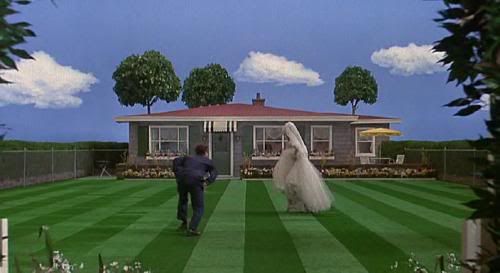
It's the perfect image for this idea of the American Dream: the house in the suburbs with the nice neat fence and the nice neat grass, the nice happy marriage, and the nice happy life together. This idyllic scene disgusts me. I mean, I'm fine with people living this life if they want to; I have nothing against that. However, it is not the life for me. I see it as being too stable, too boring. I think that this image is not only against my own desires, but it is against the entire idea of the American Dream. In this country, there is a history of valuing the rights and freedoms of people over the simplification of life. Although traditional gender roles simplify life in a way that is comforting to many, civil rights leaders have worked for over the last century to protect the freedom of those that choose not to follow these guidelines for life. I have personally found that the idea of the American Dream is against stability, as it is all about the ability to rise through social classes and change your life for the better. To me, the American Dream is being able to forge your own path in life and to have society's support for your right to do so.
I think of wealth as a form of power. Those who have much wealth have the power to make more stuff happen than people with less wealth. This stuff can be anything, from sending your face to the moon to putting food on the table. Wealth can even be used, and often is used, to gain more wealth. Everyone needs a certain amount of wealth to survive, but often people desire to have as much of it as they can possibly get because it is so useful.

Both in the context that the Great Gatsby was written in and the context I live in today. wealth defines American society. The rags to rises story is highly valued in our society, whether it be the lucky person that wins the lottery or the frugal factory worker that won the lottery of life. However, this dream is less achievable than our culture likes to admit. With rampant income inequality leading to a distressingly large wealth gap, it is increasingly difficult for many to achieve the American Dream. I think that Americans' attitude towards wealth and poverty has some flaws. There is a vocal minority that pushes the idea that those in poverty simply aren't "pulling themselves up by their own bootstraps." Most Americans seem to realize that this isn't the case, and systemic factors lead to many Americans being unable to realize the American Dream. However, it seems to me that the majority of Americans think of wealth as being earned. There is an assumption that people get paid more if they work harder, which is obviously not the case in North Carolina. Americans tend to find wealth to be a goal in life, although occasionally those who have it are vilified (I would argue often justifiably).
Growing up in the United States and in a position where I have not had to experience poverty has influenced my feeling on wealth. In the U.S., people don't like to talk much about money. It's rude to ask someone their salary, while in Chinese culture asking someone's salary is much more socially acceptable. I don't like the idea of talking about money, and I think I'd share Nick Carraway's belief that excessive wealth is something to be ashamed of rather than flaunted. I think that these feelings show a desire to reach a point at which there is equality of opportunity in our society. However, I think that, when applied to society as a whole, these principles can be more destructive than helpful. By not discussing wealth directly, and with wealthier individuals actively trying to hide their wealth, it makes it more difficult to identify that problems with wealth even exist. Although being able to have some wealth is a part of the American Dream, I think that excessive wealth helps to destroy it for others.


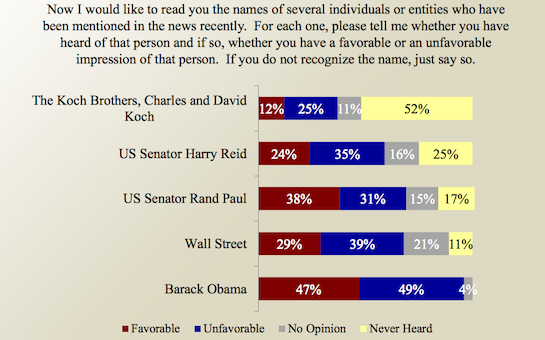
Wow, as always I'm super impressed by your blog post, I'm not even sure where to start. I really appreciated the use of statistics to reference while writing, it made it much more reliable (unlike how I just said things that I know without having some sort of support) as well as easy for the reader to follow along with and get to see some sort of scale for the wage gap. Also, I wanted to mention that when you said that scene at the beginning was too boring and stable for some reason I imagined the lawn on fire. Like my brain immediately thought "oh he'd like this scene better probably," even though that's definitely not what you were describing when you talked about your preferences (at least I think it wasn't). Personally, that made the post so much more entertaining to read, even though your sense of humor accomplishes that as well.. Anyways, I really liked that you made some comparisons between Gatsby's and today's descriptions and made the post even more personal by mentioning North Carolina specifically.
ReplyDeleteI agree with your descriptions, and I think they're all really valid.
D̉ͭͦ̿͏͏̰̘̞͙͍̖̤̫͈̀͞Ǫ̴̝̞̗̣̜̫̹̻̬̝̭̻̥͓̜̂̐̀̒̍͊̿̐ͭ̈́͐ͥ͒́̕W̵̭͓̯̙͔̰̫͚̬͈̫͉͚͙͎̫͇͍͛̐̽ͯ̓̀̉̽̕͡ͅNͤͭ̊̑́̔̉̈́̄̅̇͋̒̽̃̾ͨ͏̢̫͎̼̠̳̮̠̰̬̯͈̪͍̰̩̮͎̺̠ ̸̨̼̰͎̖̝̜̱͕̜̟̟̺̺͍̞̝̩̣̾͗̈́̑ͧ͆̓̚͟͜ͅW̵̷̲͎̗̞̣͈̝̥͖ͧ͑̔̉̀͟͡I̢̢̭͎̪̣̭̞̻̼̫͇̦̘̺̙͋̉̓̏̍̅ͪ̊͜͢͞ͅT͉̫̮̯̖̬͔͍ͫ̍ͬ̿͋͡͞͡Ḧ̷̢͖͕̫̯̖̗̩̜̝̩́ͣ̾̆ͤͬ̽̿͋͗̓ͦͩͫ́͞͞ ̧͕̩̭͔̪͉̱̯̳̰̬̃̔̂ͥ̾ͣͪ̽̈́̅̈͘͟Ṡͪ͊͊ͧ̓̌̍̉̆͘҉̟̺̲̞̹̮̮͘T̐̓ͫ҉̛͜҉̲̠̳̩̟̻͍͚̖̲̥͍͔͍͖̝͈̝Ą̷̻̲̹̮̞͔̰̮͈̠̞̯̦̞̱̠͓̿ͥͬͮͭͭ̌͂ͧ͋ͬ̅̐ͮ̓̅ͅB̨̧̻̪͕̤̘̠ͭ͂ͯͬͪ̾ͨ̽ͬ́Į̷̦̘͔̘̝̪͔͔̮̳̔̈͌̾̆̕͡͞L̶̷̛͙̥̻͍͕̭͕̟̯̰̰͎̹̟͚̺̗͍͆ͮ͑̑͌̀͟ͅĮ̶̛̘̹̻͉̻̹̹͖͎̮̮͚̤͈̪̱̱̪́ͮͤ̈̇̽ͭ̎ͮ̿̆̂̈́̔̀͘T̡̓̓͐̍̽ͨ́ͫ́̎̇̐ͫ̉́͋ͪ͋҉҉̰̟̯͓͟Y̴̨̩̫͇̩̝̙̻̫̾̒ͦ̏̓̓̄̑̆͘͝͞ͅ
Wow..... This is deep, uhhhhh.... I don't know if I can say anything that can move this blog to higher plane of understanding, but nevertheless I will. I do agree with you that the American Dream isn't a defined image of a stable boring life with residents of an IQ of 100, but rather an interval of images that accommodate all types of people, including those who would not conform to society expectations, this this leaves room for social mobility, and as such the idea of wealth is a sensitive topic for it doesn't serve as factor that can define a person , assuming that any such factor can define anything. For that specific reason I would say that is why I don't like the American Dream since this prospect of social mobility and wealth can bring some great success yet such competition can lead to absence of integrity in an individual and as such some can sink to poverty do to such a harsh competitive environment. This promise seems to singnify an already existent aspect of logic, anyone, anywhere in the world could pretty much be anything they want to be within logical constraints, and although it's hard to imagine a kid in an impoverished location in Kenya, for example, becoming a billionaire, that doesn't mean it impossible, it just means that there are a lot of odds against him/her. And as such, since this thought of an American Dream is actualy universal yet it is more likely and easily to occur in America, it means that an idea of a life of great happiness and wealth is not possible without some people loosing commodities in order for this luxurious life to be available for a few. As such I see the only solution to a problem where some are rich and some are poor, is for everyone to be nice, share money, donate, not be greedy and want unnecessary wealth, and change the country's bird to a cat.---- " and yet once again I have proven to the people that the spending of excessive wealth on those less fortunate is the only way for monetary inquality to be abolished, but there are many who would want to live lavishly and care not for the suffering"--GRANDPABROMAR
ReplyDeleteI definitely agree with the idea you were talking about how the American Dream isn't as easy to achieve as we think it is. That is without a doubt true now, but I think that that might have changed over time. I think our parents and our grandparents generation had a relatively easier time (although yet again, I'm not sure how much that image was distorted in a similar way to the distortion we see today). I think we're in an interesting position that's a lot like people who grew up in the 30's. The people who were growing up in the 30's had an idea of what the extravagant lifestyle was like in the 20's but they were growing up during the Great Depression. This creates this really interesting contrast between the lives of their parents and their own futures. We've got a less extreme version of that contrast now. Our parents were able to expect going to an affordable college and getting a job, while the average student loans for our generation is somewhere around $30,000 and after that job possibilities are hard to find. The American Dream has been seeming out of reach nowadays, but I don't know if it always was.
ReplyDeleteHi, good post! Everyone else wrote a lot in their comments, dang.
ReplyDeleteI really like how you backed up stuff with graphs and links, I need to start remembering to do that.
My favorite part of your post I think is the discussion of how America tends to like the "rags to riches" story, but in no way supports it economically
I really thought that this was a very well thought out response, and thought that your approach to how you view the American Dream was both unique and extremely interesting. I hadn't thought about it this way before, and completely agree. Your analysis of the differences between today and the time period when older generations grew up was great, and I certainly think that achieving this dream has changed. What I mean is that the goals are ultimately difference and the dream should change to fit that, but also that with the evolution of our nation and society different aspects may be more or less difficult than other points in time.
ReplyDelete